Mechatronics in the DNA
In-house vehicle software design makes AGVs flexible, modular and smart: In the world of automated guided vehicles (AGVs/AMRs), the vehicle’s intelligence increasingly determines its performance. At Melkus Mechatronic, this intelligence does not come from external providers; it is created entirely in-house. The internally developed vehicle software is a central element of all Melkus systems. It makes the difference when it comes to flexibility, adaptability and reaction speed.
Goeming/Salzburg, 10.06.2025 – AGVs from Melkus Mechatronic have the word mechatronics not just in their name, but deeply engraved in their DNA. While many suppliers rely on external software providers, Melkus takes a different approach: the vehicle software is designed, tested and continuously improved by the company’s own software engineers.
Why in-house development?
Keeping this in-depth expertise within the company not only ensures maximum control over functionalities and interfaces, but also creates the conditions for efficiently implementing individual customer requirements. This allows changes to existing vehicle functions, enhancements or bug fixes to be implemented faster and in a targeted manner, without dependence on third-party providers or lengthy release cycles. Thanks to its own software, Melkus fully retains its ability to act, directly benefitting customers.
Modular design, object-oriented implementation
The software architecture follows a clearly structured, modular principle. All functions of the AGVs and the general vehicle behaviour are designed using object-oriented programming. The clearly defined modules – object classes – can be flexibly adapted to different tasks through parameterisation, and their properties can be inherited and transferred to other modules. This is the foundation for a dynamic, easily scalable system logic that can grow with the customer’s requirements.
Be it a new type of load transfer – as in case of the recently presented Melkus Rack Stacker – or additional sensors and functional extensions: The modular structure of the vehicle software facilitates precisely expanded the functionalities of existing systems without intervening in basic functions. Instead, an existing module is expanded or a new one is added based on proven components. This saves time, reduces sources of error and eases troubleshooting.
This system approach also facilitates economically implementing customised solutions. The advantage is particularly evident when things need to move quickly: layout changes at short notice, additional transfer points or modified transport logic can be mapped in the software with minimal effort. Support response times are significantly reduced, a major advantage in dynamic production or logistics environments.
Fit for Industry 4.0
The in-house development of vehicle software is not only a quality feature for Melkus, but also a strategic key to future viability. This means that Melkus customers invest not in a rigid AGV system with predefined characteristics, but in a future-oriented, intelligent system that remains flexible and can grow with their requirements.
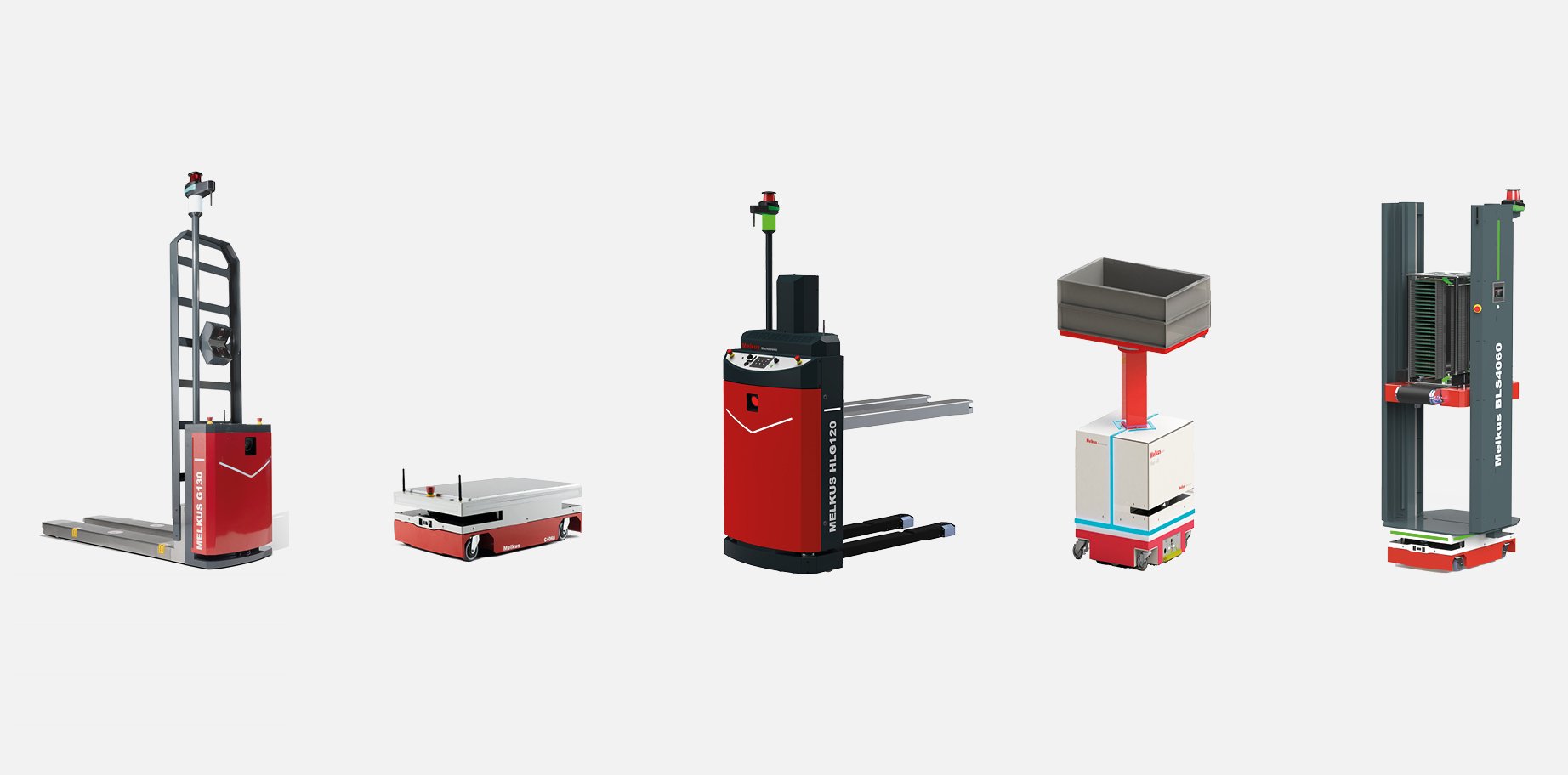
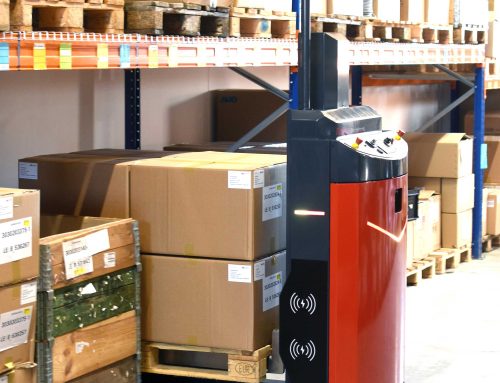
All AGVs from Melkus Mechatronic are controlled by vehicle software developed in-house.
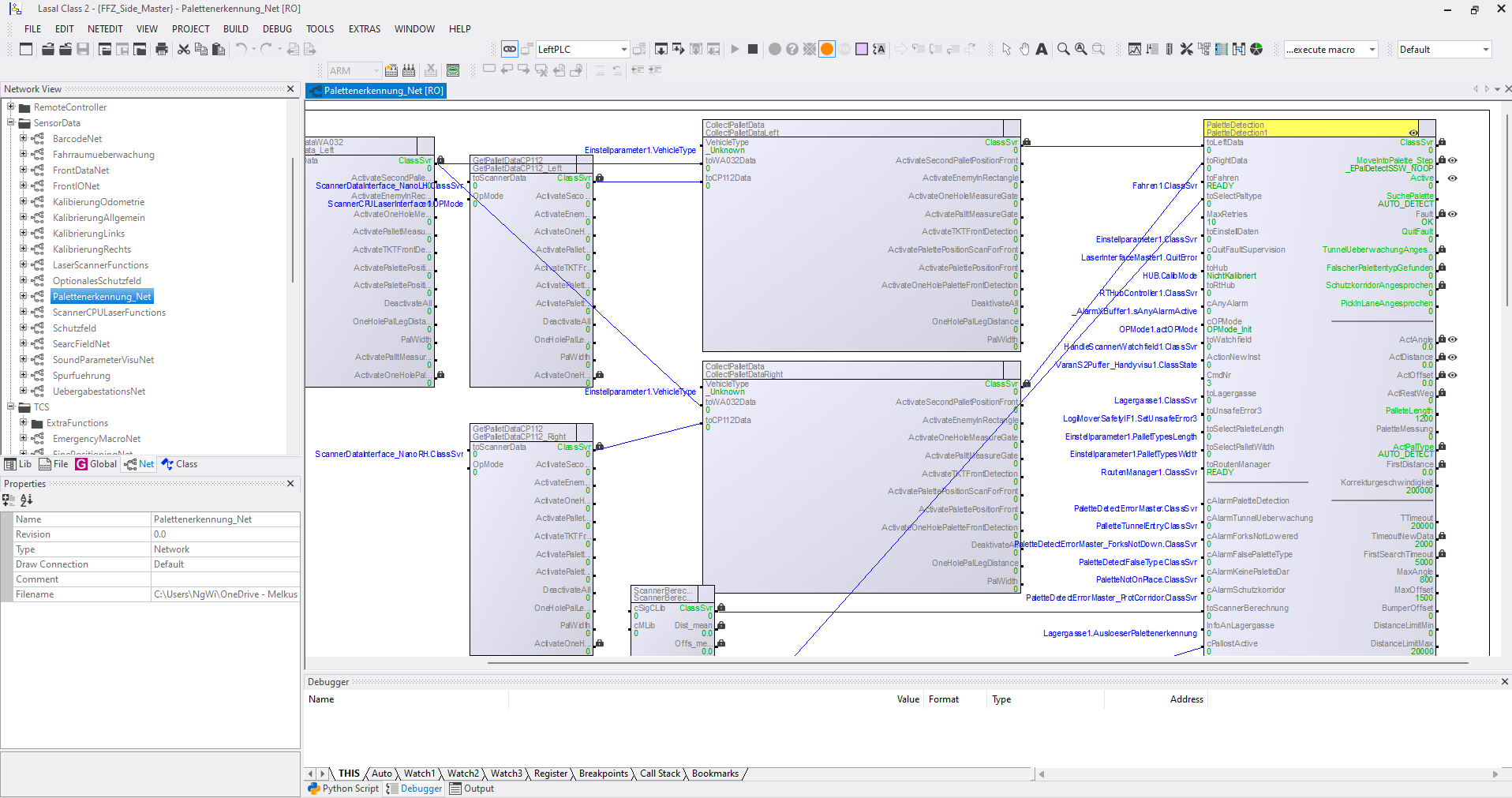
The smart, object-orientated and therefore modular vehicle software can grow with the customer’s changing application requirements.

Martin Lindner, CEO von Melkus Mechatronic: “Our customers benefit from the fact that we do not depend on external software providers, so we can react quickly and directly to changes in vehicle requirements.”
All images: Melkus Mechatronic